

The following policy has been developed to assist families in understanding how to successfully meet the National Swimming and Water Safety Framework benchmarks.
National Swimming and Water Safety Framework | Royal Life Saving Society – Australia
By the age of 17yrs a student should be able to:
- Continuously swim for 400m
- Tread water for 5 minutes
- Rescue an unconscious person in deep water
- Perform a survival sequence fully clothed
Please see the Aquatic Academy Progression Policy below;
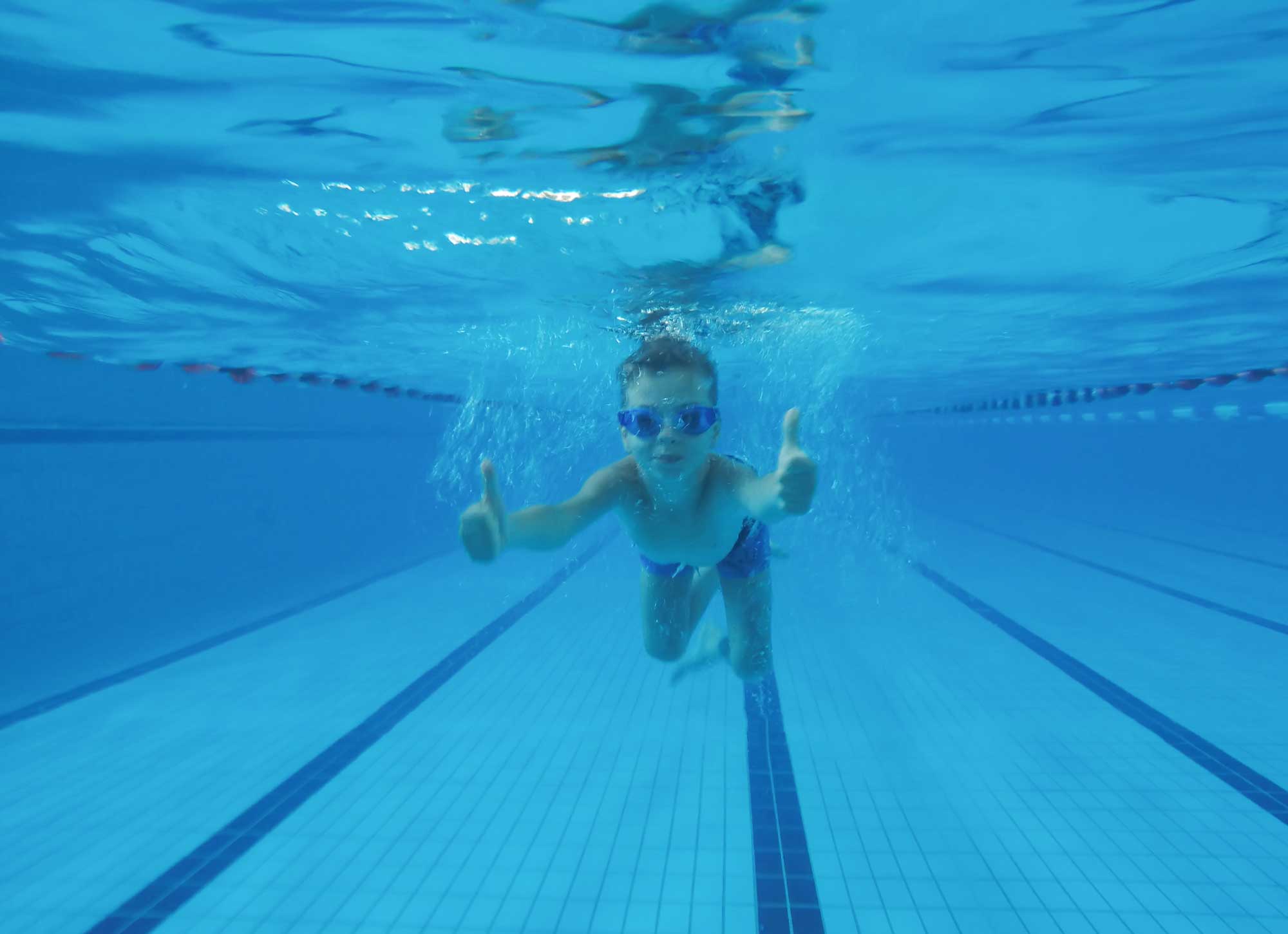
- The Royal Life Saving Aquatic Academy emphases a progressive swimming program.
- A transparent level success criterion can be found here: Children’s swimming lessons – Aquatic Academy
- Each skill is developed, built, and then superseded from level to level.
- Students are encouraged to practice skills outside of lesson times. Find the aqua play timetable here: Aqua Play / Aqua Laps – Aquatic Academy
- The Aquatic Academy has a suggested equipment list:
- Correct swimwear, made from lycra or chlorine resistant swimming material.
- Swimwear that does not restrict movement. Long sleeves and long pants are NOT recommended as they restrict movement and create drag making it harder to move through the water.
- Goggles that are fitted to the size and shape of face.
- We do not recommend tinted goggles for indoor venues as it darkens the appearance of the water, making it harder to see.
- Time spent in each level:
- The Aquatic Academy has generalised time parameters around how long it should take for a student to move from one level to the next.
- If a student attends 24 – 36 consecutive lessons (lessons in a row, without missing one) a complimentary second lesson per week will be offered for a maximum of 12 weeks to assist your child to progress to the next level. Generalised time parameters are as follows:
- Preschool program = 36 weeks
- School age program = 24 weeks
- Stroke Development = 24 weeks
- Reasonable adjustments:
- Maybe arranged if a student has a diagnosed disability, learning difficulty or condition that impacts physical development. Adjustments can include:
- Reduced ratio classes 1:2 or 1:3 teacher ratio classes
- 1:1 Private tuition
- Crew Trainer intervention to identify specific skill difficulty
- On deck Supervisors / Crew Trainers:
- It is recommended that if progression is stalled for any reason, the parent speaks with the Shift Supervisor immediately.
